

If you think holiday email marketing is just about blasting your list with “50% OFF” graphics, you are burning money. The real money is in tiered gamification, transactional camouflage, and defensive segmentation. My tool of choice for executing this is Klaviyo due to its predictive analytics, but only if you have the budget. If you are a solo creator with under 500 subs, skip it and use a simpler tool.
I stopped believing in flat “20% Off Storewide” sales three years ago.
I was running a campaign for a mid-sized e-commerce brand. We were stressing over margins. A flat discount cuts right into the profit, and unless volume doubles, you barely break even. So, we pivoted.
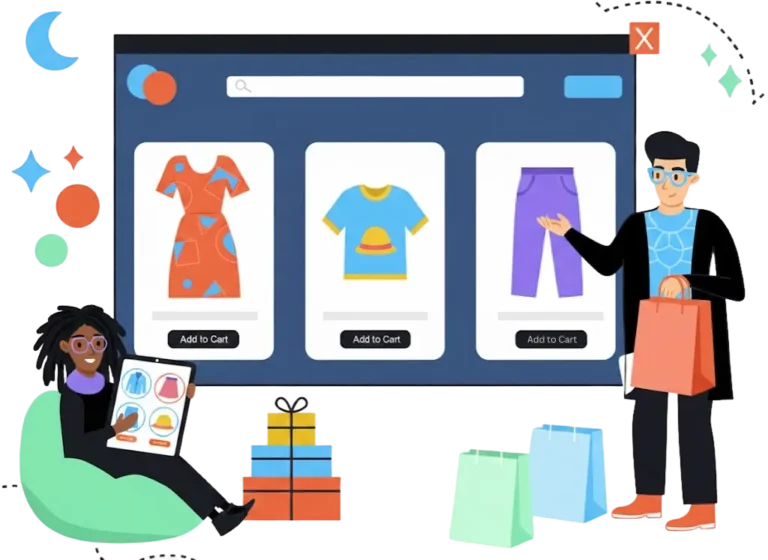
Instead of a discount, we ran a “Build Your Own Bundle” (BYOB) event.
- Buy 2 items = 15% off.
- Buy 3 items = 20% off.
- The Kicker: Buy 4+ items = 30% off + A “Mystery” Full-Size Gift.
Here is the secret: The “Mystery Gift” was just dead stock we needed to clear out. It cost us pennies on the dollar, but the perceived value was massive.
The result? We increased our Average Order Value (AOV) by 40% compared to the previous year. Customers weren’t buying one item; they were scrambling to find small “filler” items just to unlock that mystery gift.
This guide isn’t about generic “best practices.” This is the specific battle plan—including the mistakes that cost me thousands—so you can dominate your Q4 holiday email marketing.
The “Disaster” Logic: Why Real-Time Segmentation Matters
Before we talk about making money, let’s talk about losing it.
A few years ago, I managed a Black Friday push where we scheduled a “Last Chance” email for 4:00 PM. The goal was to create urgency. We set a simple logic rule in our ESP: Exclude anyone who purchased in the last 30 days.
It seemed foolproof.
But we didn’t account for the sync latency between Shopify and our ESP during peak server traffic.
The “Last Chance” email went out. Thousands of people who had bought the product that morning received a screaming email hours later saying, “You’re missing out!” and “Don’t let this go!”
The Fallout:
- Our support inbox exploded with panicked customers asking if their original order had failed.
- We annoyed our most loyal customers (the ones who bought early).
- The team spent the evening doing damage control instead of optimizing ads.
The Fix:
Never rely on “real-time” sync during Black Friday. Always set your exclusion window to 48 hours, or manually refresh your segments 30 minutes before a scheduled broadcast.
The Contrarian Strategy: The “Snooze” Button
Most marketers operate on fear during the holidays. They think, “If I don’t send an email every day, they will forget me.”
I take the opposite approach. I give my subscribers a way out.
In early November, I send a plain-text email with a simple proposition: “Hey, I know inboxes get crazy this time of year. If you want to skip our holiday promo emails but stay on the newsletter list, click here.”
Why This Works (Negative Proof)
It sounds insane to ask people to not buy from you. But here is the reality:
- Reduced Spam Complaints: People who are annoyed will just click “Unsubscribe” or report you as spam if you bombard them. Giving them a “Snooze” option keeps them on the list for January.
- Higher Engagement: By removing the dead weight (people who aren’t interested in sales), your open rates and click-through rates (CTR) skyrocket. This signals to Gmail and Outlook that you are a high-quality sender, keeping you out of the spam folder.
Note: If you don’t offer a snooze button, you are forcing your subscribers to break up with you permanently just to get some quiet.
Subject Lines: The “Transactional Camouflage”
During Cyber Week, your customer’s inbox is a war zone. Every email subject line is screaming:
- 🔥 HUGEST SALE EVER!!!
- 50% OFF ENDS SOON ⏰
- DONT MISS THIS!!!
My highest-converting subject line of all time looks like a boring system notification.
The Formula: Transactional Camouflage.
The Subject Line: Regarding your cart
This specific line, used during an abandoned cart recovery sequence, consistently pulled 60%+ Open Rates. Standard “Come back and save” lines usually hover around 35-40%.
Why it wins: It triggers “Loss Aversion.” It doesn’t look like marketing; it looks like a problem. It makes the user think, “Did my order fail? Did I leave something?” It cuts through the noise because it whispers while everyone else screams.
The Tool for the Job: Klaviyo
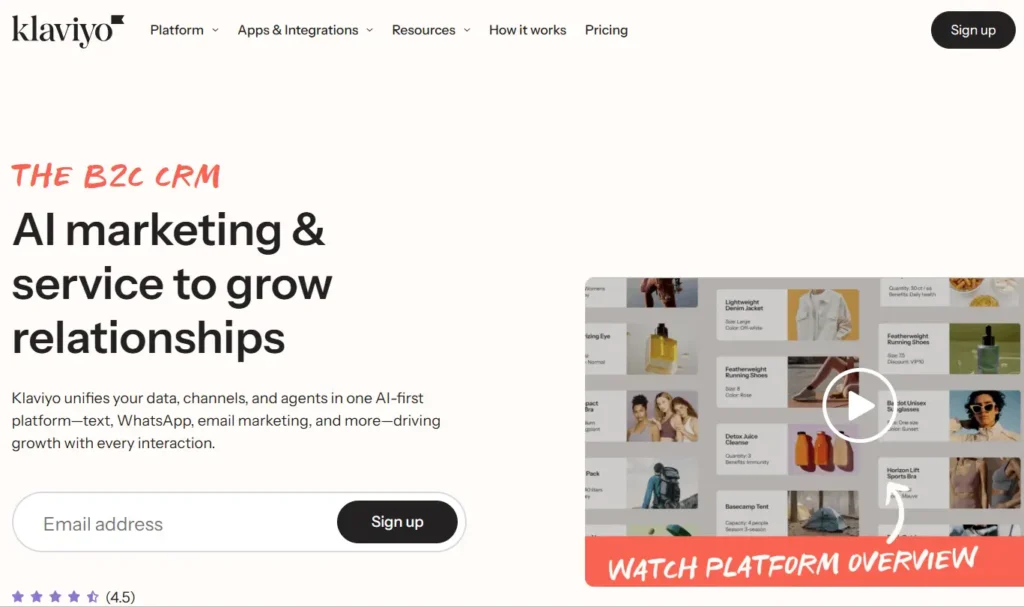
There are dozens of tools out there, but for e-commerce holiday email marketing, Klaviyo is the weapon of choice. It isn’t perfect, but it handles data better than the rest.
Klaviyo – Best for E-commerce Growth
Who Is It Really For?
Direct-to-Consumer (DTC) brands generating at least $5k/month in revenue. If you are a B2B consultant or a blogger, this tool is overkill.
The Killer Feature (That Actually Matters)
Predictive Analytics.
Most tools tell you what happened. Klaviyo tells you who is about to churn and who is likely to buy. During the holidays, I use this to create a “VIP Early Access” segment based on “High Predicted CLV (Customer Lifetime Value).” These people get the offers 24 hours before the public.
Pricing at a Glance (as of late 2026)
- Free: Up to 250 contacts (Good for testing, bad for scaling).
- Email: Starts at ~$20/mo (Scales strictly by contact count).
- Email & SMS: Starts at ~$35/mo.
Pros & Cons
|
Pros |
Cons |
|---|---|
|
Deep Integration: Pulls every distinct event from Shopify/WooCommerce. |
Pricey: It gets expensive fast as your list grows. |
|
The “Flows” Builder: Visual, logical, and handles complex splits easily. |
Support: Live chat can be slow during peak Q4 times. |
|
SMS Built-in: Unified dashboard for text and email. |
Learning Curve: It is not “plug and play” for beginners. |
The Smartest Way to Get Started
Don’t turn on every automation at once. Start with the “Welcome Series” and “Abandoned Checkout.” These two flows alone usually account for 30% of email revenue.
Final Verdict
Buy. If you sell physical products, this is the standard.
Who Should Avoid It?
- Affiliate Marketers: Use AWeber or GetResponse. Klaviyo hates affiliate links.
- Content Creators: ConvertKit (Kit) is better for newsletters.
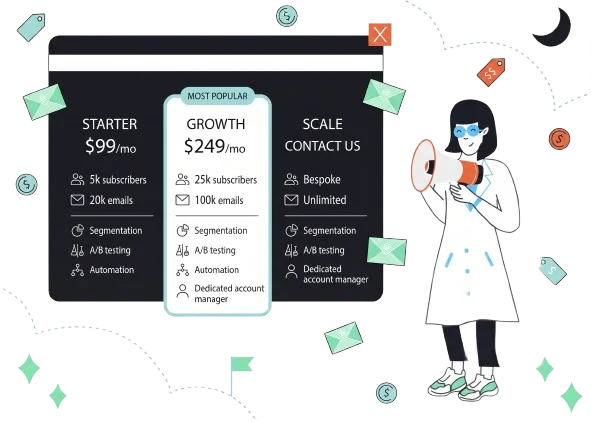
What You Actually Get at Each Price Point
Pricing structures are intentionally confusing. Here is the breakdown of what you can expect to pay for a robust holiday email marketing stack.
- The “Hobbyist” ($0 – $30/mo):
- What you get: Basic broadcasts, standard templates, simple autoresponders.
- The Trap: You usually lack “conditional logic” (e.g., If they bought X, send email Y). You are blasting the same message to everyone.
- The “Growth” ($50 – $150/mo):
- What you get: A/B testing, advanced segmentation (demographics + behavior), and multiple user seats.
- The Value: This is where you make your money back. Being able to segment “Last Year’s Holiday Buyers” is worth the monthly cost alone.
- The “Scale” ($300+/mo):
- What you get: Dedicated IP addresses (crucial for deliverability), priority support, and predictive AI modeling.
- The Reality: You only need this if you have 25k+ active subscribers. Below that, a shared IP is usually fine.
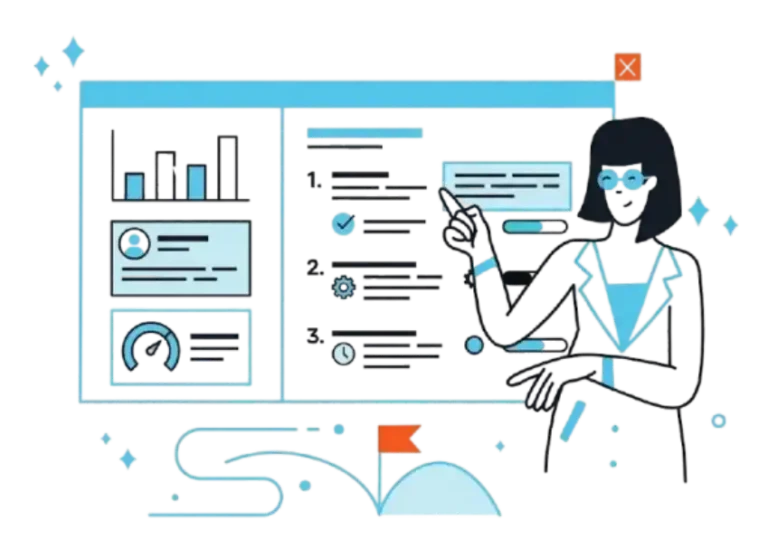
5 Steps to a Successful Holiday Launch
You have the strategy and the tool. Here is the exact execution order.
Step 1: The “Warm Up” (4 Weeks Out)
Do not go from sending zero emails to daily emails. You will trigger spam filters. Ramping up volume gradually is key.
- Action: Send high-value content (gift guides, checklists) twice a week to get openers active.
Step 2: The “Snooze” Offer (3 Weeks Out)
Protect your list health.
- Action: Send the “Opt-out of holiday promos” email. Tag anyone who clicks as “Holiday Snooze” and exclude them from all promo blasts.
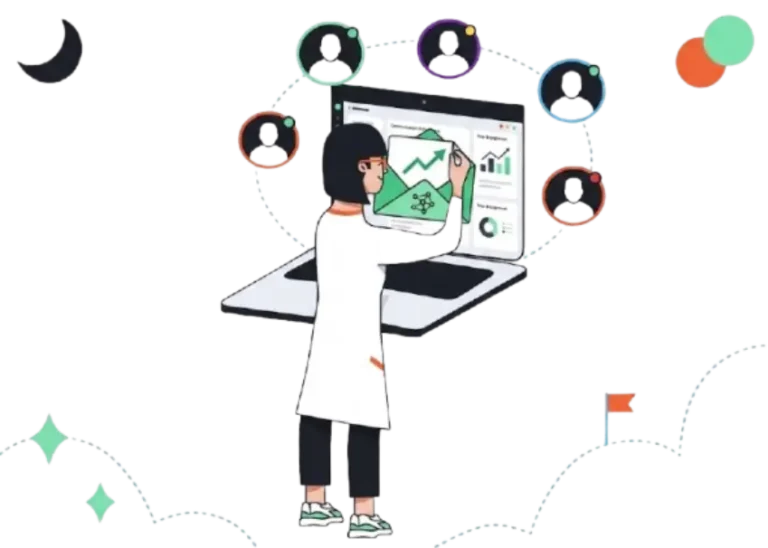
Step 3: The Segmentation Split (2 Weeks Out)
Build your buckets in Klaviyo (or your ESP).
- Bucket A: VIPs (Purchased 2+ times this year).
- Bucket B: Window Shoppers (Visited site 3+ times, zero purchases).
- Bucket C: Churn Risks (Bought last Christmas, haven’t seen them since).
- Action: Write distinct subject lines for each bucket.
Step 4: The Logic Check (48 Hours Out)
Avoid my “Disaster Story.”
- Action: Verify that your “Exclude Purchasers” segment is updating correctly. Run a test purchase and see how fast you move into that segment.
Step 5: The “Camouflage” Chaser (The Day After)
- Action: Setup an automated plain-text email for abandoned carts using the “Regarding your cart” subject line.
What To Do Next
Audit your current ESP integration. Check your “sync frequency.” If it’s longer than 15 minutes, you are at risk for the Black Friday disaster I described. Fix that connection first, then start drafting your tiered offer.
FAQ: Related to Holiday Email Marketing
1. When should I start sending holiday emails?
Start your warm-up in mid-October. Start your sales teasing in early November. By Black Friday, your audience should already know what is coming.
2. How many emails is “too many”?
There is no magic number, but there is a magic metric: Unsubscribe Rate. If your unsubscribe rate spikes above 0.5% on a single send, you are pushing too hard. Monitor this daily.
3. Should I use emojis in subject lines?
Use them sparingly. Since everyone uses them during the holidays, they lose their power. I prefer using them at the end of a subject line, not the start.
4. My open rates are dropping. What do I do?
Stop selling. Send a pure value email (entertainment, story, or helpful guide) with zero links to products. This signals to inbox providers that people actually want to read your content, not just buy your stuff.
5. Is SMS marketing necessary for the holidays?
It is not necessary, but it is a powerful closer. I use email to tell the story and explain the offer. I use SMS strictly for “Last 2 hours” deadlines.